How Do You Publish Creator-Owned Comics?
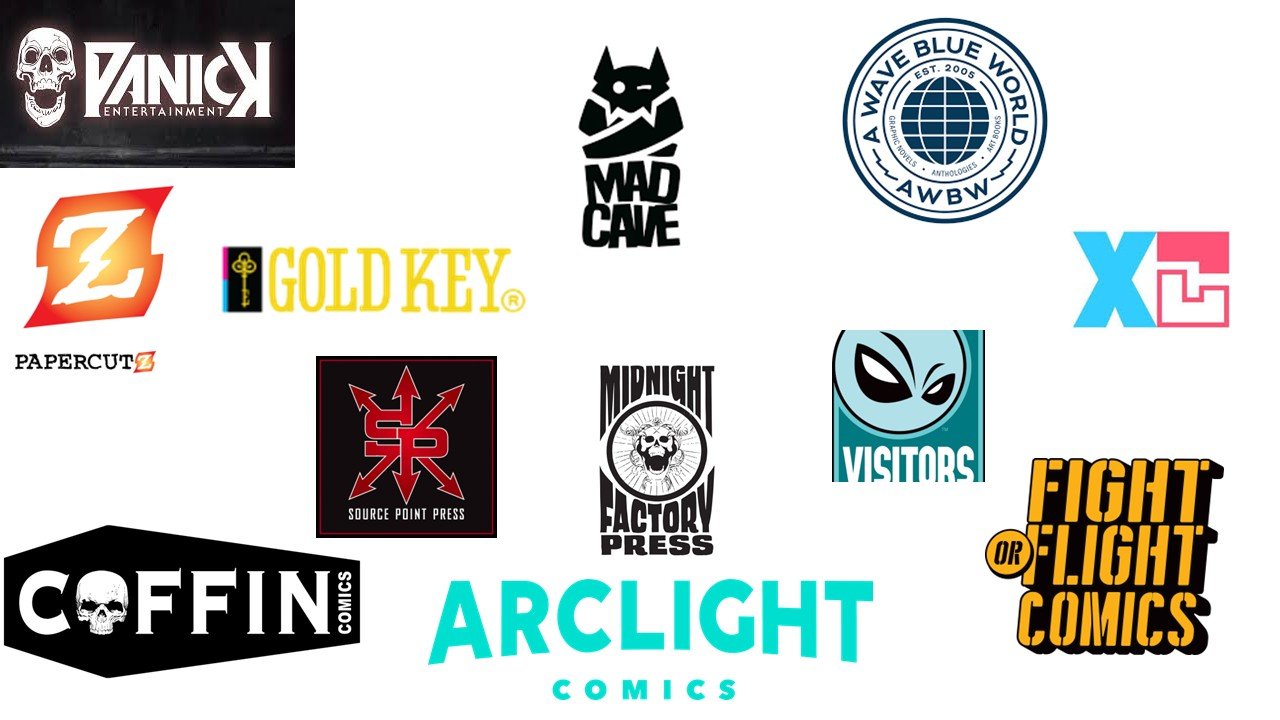
I’m currently working on the 2nd edition of The Business of Independent Comic Book Publishing. The new version will contain expanded and updated information that comic creators can use to build long-term publishing businesses. This sample introduces the idea of publishing the work of other creators as part of a creator-owned deal.
What is a Creator-Owned Deal?
Creator-owned comics occur when an independent creator produces a comic with the support or assistance of a third-party publisher. In most cases, the creator is responsible for making and promoting the book, and you are responsible for the distribution, advertising, sales, and other business functions. In this scenario, a creator, or a creative team, will have an original idea, but they won’t have the ability to publish the book on their own. That’s where you come in as an independent publisher. Creator-owned deals have existed in comics since Robert Crumb and the underground comix trend of the 1970s, but the modern concept of the creator-owned deal gained prominence in the 1990s with the emergence of Image Comics.
What is the Difference Between a License Deal and a Creator-Owned Deal?
Creator-owned deals are a unique concept in comics, but in the rest of the publishing industry, this is the standard deal. From a legal standpoint, there is no difference in the structure of a creator-owned deal and a publishing license. There are two practical differences when it comes to comics:
A license is often based on an established IP, while creator-owned deals are often for new properties with either known or unknown talent.
A license often comes from an established company that has more resources and leverage relative to a publisher, while a creator-owned deal is considered by some (myself included) to be one of the most dangerous deals in comics for reasons we will discuss later.
Why Do We Have Creator-Owned Deals?
In 2023, there were more than two dozen prominent creator-owned comic book companies in North America or established prose publishing companies with creator-owned imprints. The reasons for the growth in this space can be attributed to several reasons from both the creator and the publisher perspectives.
Some creators have the skill and talent to create narrative art, but they can’t or don’t want to manage the publishing aspect of the business. They are often willing to give up rights and revenue in exchange for someone else taking on that responsibility.
The growth of graphic novel sales in bookstores and libraries made the investment in creator-owned projects viable for prose publishers.
Many publishers initially create a publishing business for their own ideas and then decide to leverage that business process to support diverse voices beyond their own.
Since the rise of sophisticated computer graphics and the MCU, some entrepreneurs decided that becoming a graphic novel publisher was a fast track to Hollywood fortune. Because they had no real interest in comics as a medium and no stories of their own, they decided to brand these IP farms as creator-owned publishers to use the ideas of others as their main product.
Your reason for engaging in creator-owned deals may include some or all of the reasons above, but your motivation for setting up a creator-owned deal will manifest itself in the type of deal that you set up.
How Do You Acquire Rights to a Creator-Owned IP?
The process for setting up a creator-owned deal is similar to securing a license. The main difference will be where and how you find potential creators to work with.
The first step is determining what kind of books you want to publish. This will be a variation of the ideas you pursue and collect on your own, except that your love for any particular creator-owned idea has to be weighed against the potential profit you think the title can generate. After that, the next step is to find a source of creator-owned material.
You can accept submissions directly from your website, as long as you have clear submission guidelines that protect you legally and capture the information you need to make an informed decision.
You can reach out to literary agents who work in the comic book and graphic novel space, but keep in mind these agents are often looking for larger publishers who can pay significant advances to justify their fees.
You can reach out to creators who have successful crowdfunding campaigns and work with the ones who don’t have post-campaign distribution set up for their comics.
After you find the right creators, you can then proceed to the deal memo and contract negotiation stage, just like a standard license.
How Do You Develop a Creator-Owned IP?
As the publisher, it is up to you to determine how involved you want to be in the development of the comic book pages. Some publishers prefer to be involved from the concept stage, working with the creators on the character designs, script, art, lettering and coloring. Other publishers are comfortable approving the creative materials at each stage, and then collecting the final pages at a pre-approved date. There are some publishers who only work with creators who have a finished project ready to print, without offering any creative input.
The method you prefer will depend on the sophistication of the creators you are working with, the time and resources you have to devote to each project, and the source of your creator-owned material. Whichever method you choose, the process should be defined in the deal memo and the contract, so everyone is aware of what the process is and who is responsible for production of the final pages and other elements of the project.
If you have a question, comment, criticism, or joke related to The Business of Comics, please leave a comment.
If you are working on a deal for your comic, or if you need ongoing legal support for your comic book business, please contact me for a free consultation.
Have fun with your comics.
Gamal
